
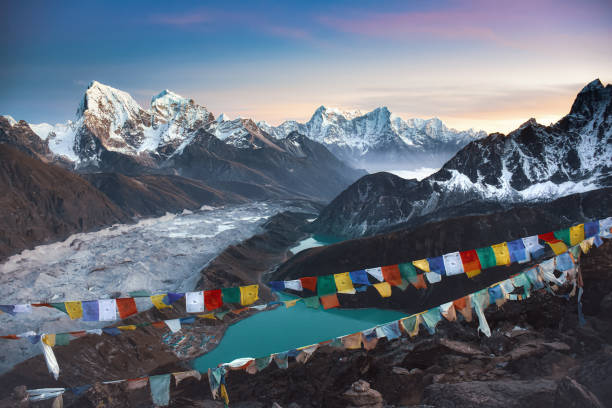
Annapurna Circuit Trek for Beginners Accompanied by expert Sherpa guides, the Annapurna Circuit is undoubtedly one of the most iconic, most coveted experiences for trekkers anywhere in the world. This trek, crossing many different terrains from the lush subtropical forests of the south, through high alpine meadows and open grassland near Tibet on its northern edge to its barren mountain deserts to east of Marsyangdi River, is not only consistently breathtaking but each stage also throws up new and challenging aspects for you to face It is only through high and rugged mountains that The circuit, which offers magnificent views at almost every turn, was on every trekker’s wish list at the time of writing. However, the true magic of the Annapurna Circuit is brought to life by the expert Sherpa guides who accompany trekkers on their journey. Sherpas, deeply connected to the mountains and deeply compassionate people, are not only its backbone but they provide the very heartbeat of this trek. Their comprehensive understanding of terrain, weather, and altitude conditions has made it possible for throngs of trekkers to overcome the challenges involved in walking around, and indeed over, Thorong La Pass–at 5416 meters, the highest point on the circuit. Sherpas are not only expert navigators, they are also cultural ambassadors. Thus, trekkers receive deeper insights into local traditions and spiritual beliefs than they could get from guidebooks alone–as well as introductions to whole families of Tibetans who make their homes in this isolated mountain world Sherpa guides are indispensable for ensuring proper acclimatization, preventing altitude sickness and providing physical and psychological support to the trekkers through the most difficult parts of the journey. Guided by their years of experience, they make sure that pacing is appropriate for safety without taking away from any thrill at all. Rather than just being experts, warmth, and camaraderie borrowed from individuals that ‘we’ as Metis had trekked with many times before slowly grow to characterize the atmosphere (along with Sherpa’s laughter) on this trip as new, then old, friends arrive and share their stories Challenge up the path. The Annapurna Circuit would be a satisfying and memorable trek on your own, of course. Traveling it with expert Sherpas, however, the trek can be guaranteed safe and lively-adding to its overall appeal.
The Annapurna Circuit: Introduction
The Annapurna Circuit Trek Permits is one of Nepal’s most famous and sought-after trekking routes. It gives trekkers an unequaled opportunity to explore this diverse landscape and rich cultural heritage. The Circuit is roughly 160-230 kilometers long; on this long trek there variety of environments changes from lush subalpine forests and terraced fields of rice to alpine meadows and barrens of the Tibetan plateau beyond Hi Ground level occasionally reaching bridging gaps between mountains. The trek finishes at the Thorong La Pass, a height that towers over 5,416 meters. We believe it’s one of the highest trekking passes in the world. Some 300 kilometers of the Annapurna and Dhaulagiri mountains as well as a glimpse into entire contributing ethnic populations are had in these small settings along paths attesting centuries past when trade routes brought prosperity to local people living with little contact outside their area of origin. This trek is not only a physical challenge due to the varying terrain and high altitude but also an opportunity for trekkers to connect with the traditions and way of life of local communities. Whether you are an old hand at outdoor adventure or taking your first steps onto a trail for the first time, the Annapurna Circuit delivers a journey that combines natural beauty with cultural engagement and personal challenge in a way few other treks can match.
Now the Ultimate Trekking Experience: the Annapurna Circuit
Its unprecedented combination of eye-popping natural spectacle, cultural variety, and physical difficulty make the Annapurna Circuit the ultimate trekking experience. Where else can you find this kind of trek? Along the way, you’ll see the tropical forests and terraced fields at the foot of The trek offers stunning views of points such as Annapurna I and Machapuchare. But apart from these, there is another great aspect of the Annapurna Circuit – its cultural richness. Among the several communities you’ll encounter in the course are the Gurung, Thakali, and Manangi peoples, who have lived in these remote regions for generations. The Thorong La Pass, which the circuit has to cross, is one of the highest trekking passes in the world at 5,416 meters, offering a real sense of achievement for trekkers. This variety of ecosystems and communities means each day brings something new: new views, new tests to be faced, and new departures from one culture to another. The Circuit of Annapurna is also very convenient for sightseers from all directions of experience, and with the aid of Sherpa guides, they can match the adventure. When all these come together, it is no wonder that the Annapurna Circuit is one of the most renowned trek routes in the world. The clientele find themselves changed as they seek a real change.
Role of An Expert Sherpa Guide on Your Treks
Annapurna Circuit Trek Travel Guide Annapurna Circuit Sherpa guides are essential to the success and pleasure of a trek. Expert Sherpas, in addition to being accomplished mountaineers themselves, provide invaluable knowledge about local conditions: terrain on both large and small scales; weather reports suitable not just for farmers but trekkers in a wide range or one who “ ˜ s suddenly decided today is my day to go for it! Normally they have detailed maps showing where water is available all year round (or even just in times of the year when there is no rain for a long period) how far the advancing snowfield goes back over which path optimistic tourists should now Photographs show that they are well aware: a small break from hiking up-empty valleys northward west in great tropic nightfall’s dusk-for two thousand feet away lies wakeful-hamlet. These guides know Annapurna Range needs the minimum sensitivity adjustment Several trends in the burgeoning trekking industry have had to be reversed because they made unwanted demands upon it While guiding you in such a difficult environment an experienced Sherpa can also explain where this mountain comes from geologically fire lichen grows on that rock face indicating good luck. With their great understanding of the Annapurna Range, Sherpas are the best guides to take you through its many changing landscapes; from lush valleys and plateaus to heavy overgrowth snow) to challenging high-altitude passes above tree lines where ґ banks may consist almost entirely of boulders or huge chunks thereof. Sherpas have been trained to recognize the early symptoms of altitude sickness and know how to properly manage acclimatization, ensuring your safety throughout the trip. As a trekker, that knowledge is most worthy if hard to acquire elsewhere; personal familiarity with local customs and language enriches a journey. It provides insights otherwise unobtainable into the lives of local communities, their religious practices, and cultural traditions. Sherpas also carry all the necessities and equipment, which can let trekkers get on with their trek without unnecessary worries. Trekking becomes an almost predestined exertion rather than a tail chaserʹ as long as they have brought back all this life-giving food and have readied everything smooth sailing so to speak by some local criter or adopting the kirikiri way that most satisfied to her. Their presence makes trekkers feel secure and I am never bored as I can discuss matters with them along the route, which makes for a more enriching trek. After all, Sherpas do not merely guide you past difficult spots but their expertise enhances the entire experience. As a mark of quality and guarantee Oken Is Japan and Our Nepal’s new member of the world’s exclusive society. The Annapurna Circuit is associated with adventure and challenge.
Navigating the Terrain: Challenges and Solutions
Annapurna Circuit Trek Food The diverse terrain of the Annapurna Circuit poses a wide variety of challenges for trekkers: it spans more than one ecological zone, as well which menaces them with steep climbs, rocky trails to be scrambled over and then descended, river fords ready to stop you dead in your tracks and weather concerns you could not even guess today, let alone tomorrow’s events Once again we see that in a place like this altitude is amain obstacle, especially when reaching such an elevation as the Thorong La Pass, 5,416 meters. Altitude sickness is a real danger here so it crucial for the trekker to make sure that they ascend sensibly and acclimatize themselves properly. Lower altitudes have muddy paths, while higher levels are filled with icy ground. A trekker needs to be adaptable and careful at all times. Weather also changes from day to location with rain in the lower altitudes that change to snowstorms at higher elevations – this makes correct clothing and gear especially important for trekking here. This brings up another point for acclimatization: trekking with a Sherpa guide. They can adjust the trekking schedule and pace to help acclimatize trekkers properly. This means that trekkers can gradually accustom themselves to increasing altitude, so as to minimize any suffering from altitude sickness. They are also adept at navigating treacherous terrain safely, such as pointing out the safest routes and helping trekkers over the bad spots. Even more, Sherpas provide trekkers with local knowledge about things like when is the best time to hike and where possible hazards may occur, so that despite so many obstacles encountered in the landscape this trek remains as safe and comfortable as possible.
How Sherpas Help Make Hiking Safer And More Comfortable
Annapurna Circuit Trek Safety One of the biggest worries for anyone setting off on an Annapurna Circuit trek is safety. Sherpas make sure they keep travelers safe all the way through their journey. Due to their great deal of mountain experience, Sherpas are able to pick out the symptoms of altitude sickness with an early warning. They can also make appropriate arrangements for altitude-sick clients, such as quickening the pace on a trek so that trekkers can get proper acclimatization or advising them to go lower because of symptoms they are showing. Trainee doctors often take practical courses led by experienced Sherpani practitioners and instructors on-site who are also equipped with rudimentary medical supplies. It prepares them for first aid treatment in mild cases of illness or emergency conditions encountered while volunteering at the site of a disaster. At the same time,e Sherpas carry essential supplies such as food, water and emergency aids along the trail ahead of you, freeing up trekkers from the drudgery of having to tote heavy loads themselves. They set a steady pace for the whole trek, allowing trekkers to conserve energy and avoid fatigue. Sherpas are accustomed to Annapurna’s erratic weather, and they carefully monitor conditions telling trekkers when to take a break or when it’s time for them to go undercover. They have an extensive local network that includes ties to rescue services, so if something serious happens you can count on them to help you. Allround support, emotional as well as physical, ranges from advice on how best to conquer the tricky terrain in Annapurna Circuit to providing a safety net for trekkers so that they can enjoy their incredible journey without having to worry about logistical details.
Cultural Insights from Sherpa Guides Along the Way
The blessings of the Annapurna Circuit trek are that you can get cultural insights from Sherpa guides as well as learn about their local traditions, beliefs, and customs. Sherpas are usually born and raised in this area, so they have an intimate understanding of the cultural and spiritual significance the Annapurna range holds for them.
During the trek, they narrate tales that recount how these local communities came into being. These descendants of the Gurungs, Thakalis, and Manangis have lived in this region for many generations and eating traditions deeply infused with Tibetan Buddhism.
Sherpas provide an unparalleled opportunity to experience these traditions by visiting monasteries, stupas, and prayer flags. And trekkers can even experience local ritual festivals during their trek if time permits. With that same cultural knowledge, the Sherpa also teaches trekkers local practices. Often, trekkers are invited for authentic foods like dal bhat and enjoy tea ceremonies. When the trekkers go through villages, Sherpas take them for visits to local families and provide some insight into how mountain people live’: their lifestyle is completely different from urban dweller’s life style but nevertheless just as normal in a society like ours.
These exchanges are among the most memorable parts of the journey, allowing trekkers to experience not just mountains but also existing cultures that call this region home Through the stories and expertise of your Sherpa guides, Annapurna Circuit becomes more than a trail to hike it is also an immersive cultural experience.
The Significance of Sherpas in the Annapurna Region
Sherpas, who have lived and worked in the Himalayas for generations, have a cultural identity much broader than just a profession. These people have bonded with the mountains, passed down mountaineering skills from one generation to another, and regarded themselves as the mountain’s protectors. Their role in the Annapurna region, as guides, channels the image of trekking culture. As custodians of mountains and (arguably) the regional culture, Sherpas play a most significant part in the lives of many little-traveled people. Also, they open doors at high altitudes previously deemed impossible to know. Without these modern-day super sherpas, visitors today might see only 10 percent of what’s out there to see. Originating from the high-altitude regions of Nepal, Sherpas have an intimate knowledge of the landscape, weather patterns, and terrain that makes them indispensable for trekkers navigating the Annapurna Circuit. Their skill at traversing difficult terrain, and intimate knowledge of high-altitude acclimatization — these qualities make them the perfect companions for the journey. Sherpas have lived and worked in the Himalayas for generations, and it is not something that they do; they simply have to be mountain Sherpas.
Annapurna Circuit Trek Preparation But Sherpas are also cultural ambassadors. Besides the prodding and pointing, Sherpas helps trekkers understand the rich religious practices and traditions of these local communities. Religion, often for the Sherpas, influences many aspects of life in the Annapurna region. Often they share tales, renounce rights, and provide insights that further thrill trekkers about the area. Their kindness, warmth, and strength give trekkers a new perspective on things; they experience the journey in a way that transcends reality The Natural Beauty of the region.
The Scenery and Landscape: A Trekker’s Paradise
The Annapurna Circuit is widely regarded as one of the most scenic trekking routes in the world, offering trekkers an ever-changing landscape that captivates at every step. Starting in the subtropical lowlands and moving uphill, trekker after trekker enters a veritable cornucopia of greenery: highly productive rice or maize fields surrounded by pearl millet and cut short to where the uplands begin. The landscape shifts dramatically with the changing altitude. As trekkers climb, gradually everything becomes a high-altitude desert, with fantastic views of snow-capped peaks as far as your eyes can travel.
Sweeping views from the highest mountains in the world are seen on the Annapurna Circuit. When seen from these vantage points, across perils of rivers flowing deep at bottom winding valleys, cliff faces take shape in brilliance to form an out-of-this-world spectacle. On a trek through this diverse landscape, climbers will walk through everything from flower-studded meadows to hard, rock-strewn peaks. Meanwhile, along the way, there are also rickety suspension bridges to cross and paths hanging precipitously above a torrent of water. For visitors, this variety is all part of the delight.
What makes the Annapurna Circuit truly special, among other reasons? At least two things. First, the combination of diverse natural beauty within relatively small area borders achieved is unique in world trekking; second and even more, there are limitless opportunities for cultural encounters. Across the terrain, as trekkers make their way through these regions, remote villages are often passed where local customs are still maintained, thus it’s a novel mixture of both nature and culture.
For visitors, the Annapurna Circuit is truly a paradise for living in the only real authentic spirit yet to be encountered in this world. Getting expert Sherpa guides to accompany you on the Annapurna Circuit benefits both safety and a deeper understanding. sherpas! AT least the sherpas know their own track
Benefits of Trekking with Expert Sherpa Guides
Because they have roamed the land for a generation and are familiar with every trail, High-altitude climate sherpas prediction problem for them standstill to be invaluably useful for trekkers tackling the challenge of this difficult journey. Your care ensures that you can complete the physically demanding parts of trekking, such as passing the 5407 m (17,929 ft) Thorong Pass, by joint acclimatization and sponsoring the hike.
In addition to their expertise, Sherpas can also provide a human connection with the culture of the region. That way, trekkers learn from them local habits, spiritual practices, how people came to be there, and what was happening in Annapurna region’s history. This gives new meaning to the journey. Born and raised in the very villages trekkers pass through Sherpas give unique insights into local life that otherwise would be very difficult indeed to appreciate.
Sherpas also take care of the logistic aspects of the trek, making sure there is accommodation, meals and even porters for carrying gear. In addition to the physical conditions of the journey, the trekkers can have a good frame of mind as they know they are safe in their hands. Their warmth, kindness, and perseverance ensure that trekkers can surmount the trials of the trek; in the end, this mutual striving creates a bond turning a journey into an experience for all. You will also find that every journey by expert Sherpas can bring both safety and enjoyment to the Annapurna Circuit.
Personal Stories of Trekkers with Sherpa Guides
The personal stories of trekkers who have hiked the Annapurna Circuit with trained Sherpa guides are also evidence: they speak for themselves. One trekker reminisces about his Annapurna Circuit trek with a Sherpa guide, and how the Sherpa’s quiet encouragement helped him get past the hard stage of the trail. Two people passing time together like friends, sharing laughter in adversity. Another said that their Sherpa guided by his deep ties to the land, gave them a greater understanding of the spiritual implications of certain mountain peaks and monasteries–in a word, making them more aware of Nagauri’s history on an individual level.
The comfort Sherpas provide along with the tenacity trekkers learn to face the hard trek are memories trekkers also bring back home. That the trek is mentally as well as physically grueling and Sherpas are there to help lift the burden off one’s shoulders is also a major factor behind trekkers’ success. During tea breaks, sharing stories of their own and just being there until trekkers eventually come through often develop into friendly partnerships. Such an informal relationship suits the Sherpa guides well.
These personal anecdotes give light on the role of Sherpas which is actually far more than that of a guide; they are partners who offer valuable advice and enlightenment to trekkers. The close connections forged with Sherpas are another cherished aspect of the trip, with some relationships continuing long after the trek has ended.
Responsible Trekking and Sustainable Practices
Responsible trekking and sustainable practices are essential for the long-term preservation of the Annapurna Circuit. With its increasing popularity as a trekking destination, the region substantiates a system of recycling account table, but comprehensive waste management and overuse of resources are environmental problems that remain crucial to solve if its beauty is not degraded into something will likely never see again. For this reason alone sustainable trekking practices are absolutely essential—so much depends on what happens in the region.
Sherpas have an important role to play in promoting responsible trekking. Their guidelines go hand in hand with respecting the environment; at times they will carry out any leftover rubbish or refuse to use plastics. Many Sherpas will guide you to Jack Kerouac-style eco-folks teahouses and Smiths’ lodges which practice sustainable energy utilization. They encourage trekkers to interact with local communities with mutual respect–appreciating ethical behavior on this mountain-their hillside is preserved too.
As well as environmental problems, sustainable trekking means supporting local businesses and increasing the livelihoods of people on the Annapurna Circuit. By staying in accommodations owned and operated by local people, and by buying goods directly from them, the Trekkers help sustain this area’s economy; they promote tourism with responsibility. Through responsible trekking, that ensures the natural beauty and cultural heritage of the Annapurna region will survive for people long beyond our time.
Why the Annapurna Circuit is so amazing with Sherpas
Short Annapurna Circuit Trek The Annapurna Circuit, led by Sherpas as guides, is truly a life-changing experience. The combination of splendid landscapes, immersion into the local culture, and skillful guidance makes this trek one of the best trekking experiences in the world. For onerous terrain and high-altitude passes, the sherpa not only provides technical expertise but also brings with him an understanding of local customs and history. Their warm hospitality, deep knowledge of the mountains, and willingness to share their way of life transform the trek into a journey of discovery.
Not only does the Annapurna Circuit provide trekkers with unmatched natural beauty, offering some of the most stunning views in the world, of snow-capped peaks, lush valleys, and rugged highlands. It is also the involvement with earth, people, and culture that the Sherpas make possible which renders this trek even more out of the ordinary. The bonds formed with Sherpas in shared struggles and through bursts of laughter elevate the experience. They ensure that the trek is not an easy physical journey but a deep course in cultural exchange.
To trek the Annapurna Circuit with Sherpas is the perfect blend of exciting adventure, the enrichment provided by different cultures, and one’s own personal growth. Whether it’s the majestic scenery, the deep religious feelings rooted in this place, or being supported by the Sherpas in every way, the Annapurna Circuit is an experience that trekkers will never forget after they have returned home.