
A residential solar system is built to provide reliable performance for many years, but like any electrical system, it can develop faults over time. Some issues can be monitored for a short period, while others should never be ignored. Electrical damage, water ingress, unstable mounting and repeated inverter shutdowns can become more serious if left unresolved.
It’s also important to remember that a solar system can continue generating electricity even when part of the installation is faulty. Reduced performance is not always obvious, which is why professional diagnosis plays an important role in identifying the real cause of the problem.
Homeowners don’t need to identify the failed component themselves. However, recognising the warning signs early can help prevent larger repair costs, reduced energy production and potential safety risks.
1. Repeated Inverter Shutdowns
An occasional inverter warning may simply be the result of a temporary grid condition or communication issue. Repeated shutdowns, however, are a different matter. They can indicate overheating, electrical faults, connection problems or equipment failure.
If your inverter continues shutting down, record the error code, date, time and weather conditions. Continually resetting the inverter without understanding the cause may temporarily restore operation but can also hide valuable diagnostic information.
Professional Solar Repairs for Homeowners in Australia should begin with the system to determine whether the inverter itself has failed or whether another fault elsewhere in the system is causing the shutdowns. Repair-first diagnosis often prevents unnecessary replacement.
2. Damaged Isolators or Electrical Enclosures
Cracked housings, discolouration, unusual smells, rust or signs of water entering isolators and electrical enclosures should never be ignored. These components protect critical electrical connections and are designed to remain secure and weather-resistant throughout the life of the system.
Homeowners should never open damaged electrical equipment or attempt temporary repairs. Solar systems continue producing electricity during daylight hours, and incorrect handling can create serious electrical hazards.
A licensed technician can safely inspect the equipment, isolate the affected area and determine whether repair or replacement is required.
3. Loose Panels or Mounting Hardware
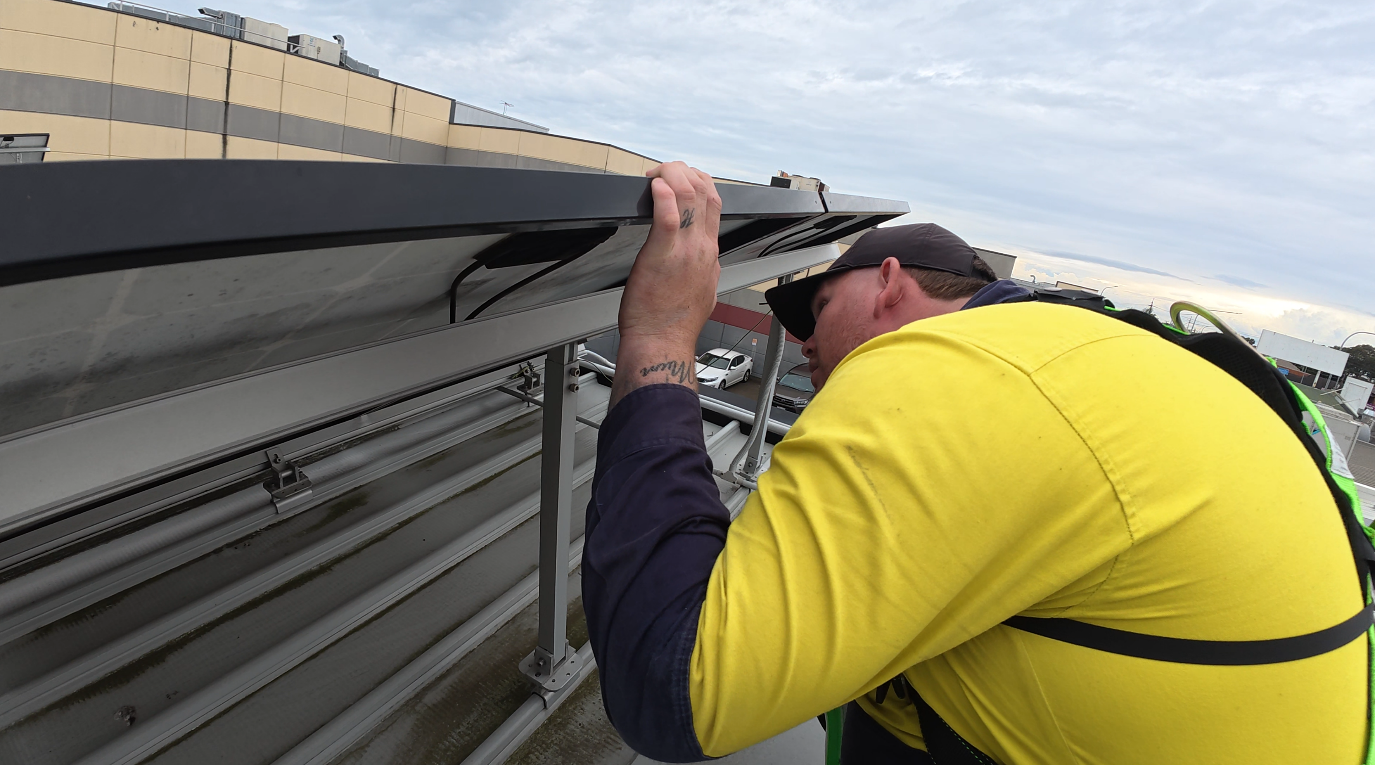
Solar panels rely on rails, clamps, brackets and roof attachments to remain securely fixed to the roof. After years of exposure to wind, storms, heat and changing weather conditions, mounting components can loosen or deteriorate. Visible movement, rattling noises, shifted panels or gaps between panels and the roof should be investigated promptly. Even if energy production appears normal, unstable mounting can place additional stress on panel frames, wiring and roof attachments, increasing the risk of further damage during future weather events.
A professional inspection should assess the entire mounting system rather than simply tightening one visible component without identifying why movement occurred.
4. Water Ingress and Moisture Damage
Water can enter a solar system through deteriorated seals, damaged electrical enclosures, cable entry points or storm-damaged equipment. Early signs often include inverter faults after rainfall, intermittent system operation, corrosion or visible staining around electrical components.
A Solar System Check in Sunshine Coast can be especially useful after heavy rain, strong winds or coastal weather exposure. The technician can inspect panels, mounting equipment, cables, isolators and seals for signs of moisture-related deterioration.
Prompt inspection is important because ongoing water exposure can gradually affect additional components throughout the system, leading to more extensive repairs if left untreated.
5. Persistent Underperformance
A gradual reduction in solar energy production often goes unnoticed until electricity bills begin increasing. Lower generation can result from damaged panels, loose electrical connections, inverter faults, developing shade from tree growth or other system issues.
Homeowners should compare current generation with previous seasons while considering whether household electricity consumption has changed. If solar production remains consistently low during clear weather, professional testing can identify the underlying cause.
While cleaning may restore performance when dirt or debris is responsible, washing the panels will not resolve electrical faults or equipment failures.
Why Delaying Can Increase the Problem
Every component within a solar system works together. A fault affecting one area can place additional strain on other equipment, contribute to repeated shutdowns or make accurate diagnosis more difficult over time.
Delaying repairs may also remove valuable diagnostic evidence. Error histories can be lost, water damage may worsen and changes in system performance become harder to compare against previous operating conditions.
Importantly, early assessment does not always lead to expensive repairs. In many cases, identifying a small fault early prevents it from developing into a much larger and more costly problem.
What Homeowners Can Do Before a Technician Arrives
Homeowners can collect monitoring screenshots, recent electricity bills, fault codes and photographs taken from a safe location. They should note whether the issue started after a storm, roof repair, power event or change in shading.
Homeowners should never open electrical equipment, rewire components or repeatedly reset the inverter. If there is smoke, a burning smell, visible arcing or any immediate danger, keep clear of the system and contact emergency services or the local electricity network operator.
Why a Repair-First Approach Matters
Not every serious solar fault requires complete system replacement. A damaged isolator, cable, inverter or mounting component can often be repaired while the remaining equipment continues operating safely.
A repair-first approach focuses on identifying the actual cause of the problem before recommending replacement. A reputable technician should clearly explain the fault, the proposed repair and the overall condition of the wider system. Full replacement generally becomes appropriate only when damage is extensive, parts are no longer available or safe restoration is not practical.
Conclusion
Repeated inverter shutdowns, damaged electrical enclosures, loose mounting hardware, water ingress and persistent underperformance should never be left unresolved. Each of these issues can affect system safety, reliability and long-term energy savings.
Prompt professional assessment provides homeowners with clear information about the condition of their system and may prevent minor faults from developing into major repairs. Accurate testing and targeted repairs help extend the life of the system while protecting the investment homeowners have already made.